NFTs Beyond Art: 7 Unexpected Trends Gaining Traction This Year
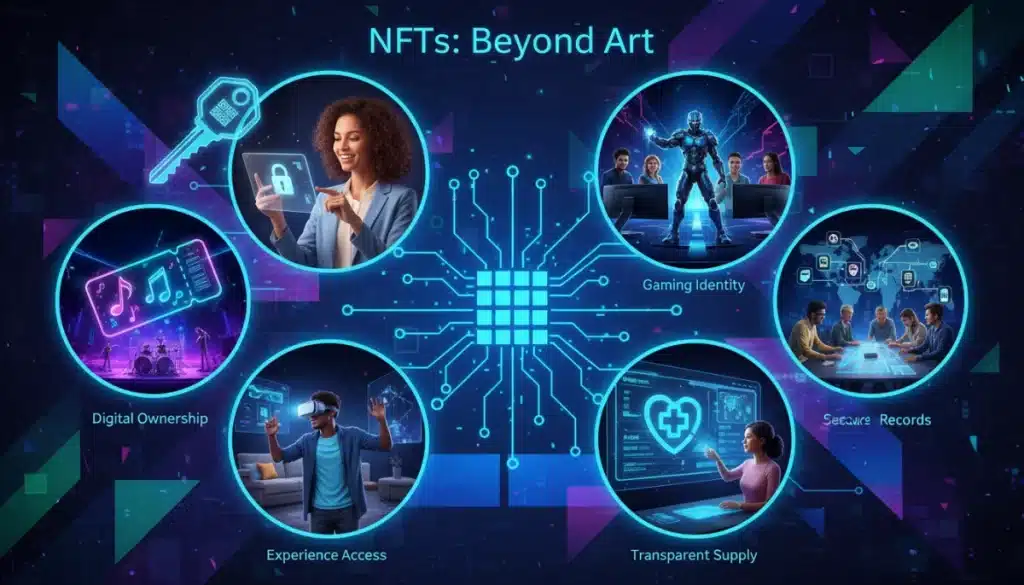
NFTs beyond art are rapidly emerging as powerful tools, revolutionizing industries from real estate to healthcare by offering verifiable ownership and secure digital representation for a myriad of assets and experiences.
The world of Non-Fungible Tokens (NFTs) has exploded, initially captivating the art market with record-breaking sales. However, the true potential of NFTs beyond art is only just beginning to unfold. This year, we’re witnessing a fascinating shift as innovative applications emerge, transforming industries and redefining ownership in the digital age. Prepare to dive into unexpected trends that are gaining significant traction.
Digital Identities and Decentralized Credentials
One of the most profound shifts in the NFT landscape is their application in digital identities and decentralized credentials. Imagine a future where your academic degrees, professional certifications, and even your medical records are securely stored and verified on a blockchain, owned entirely by you. This isn’t science fiction; it’s becoming a reality through NFTs.
Traditional identity systems are often centralized, making them vulnerable to breaches and difficult for individuals to control. NFTs offer a paradigm shift, providing a self-sovereign identity model where users have complete control over their personal data and who can access it. This has immense implications for privacy and security in our increasingly digital lives.
Verifiable Credentials on the Blockchain
NFTs can serve as immutable certificates for a wide range of verifiable credentials. This eliminates the need for intermediaries and provides instant, tamper-proof verification.
- Academic Degrees: Universities are exploring issuing degrees as NFTs, making them instantly verifiable and preventing fraud.
- Professional Certifications: Industry certifications can be tokenized, allowing employers to quickly confirm an individual’s qualifications.
- Work History: A verifiable record of employment and achievements can be built using NFTs, streamlining hiring processes.
The ability to present a verifiable, self-owned digital identity is a game-changer. It empowers individuals while simultaneously enhancing trust and efficiency in various verification processes. This trend is set to redefine how we prove who we are and what we’ve accomplished online.
Real Estate Tokenization and Fractional Ownership
The traditional real estate market is notoriously illiquid, complex, and often inaccessible to smaller investors. NFTs are beginning to disrupt this long-standing model by enabling real estate tokenization and fractional ownership. This allows for smaller, more manageable investments and opens up new avenues for property ownership.
Tokenizing real estate means representing physical properties as digital tokens on a blockchain. These tokens can then be divided into smaller fractions, allowing multiple investors to own a piece of a high-value asset. This process democratizes access to real estate investment and offers increased liquidity compared to traditional methods.
Benefits of Real Estate NFTs
The advantages of using NFTs in real estate are numerous, from increased accessibility to enhanced transparency.
- Increased Liquidity: Fractional ownership allows for easier buying and selling of property stakes, making real estate more liquid.
- Lower Entry Barriers: Investors can enter the market with smaller capital, making high-value properties accessible to a broader audience.
- Transparency and Security: Blockchain records provide an immutable and transparent ledger of ownership, reducing fraud and disputes.
This trend is not just about ownership; it’s about reimagining how real estate transactions occur, potentially streamlining processes, reducing fees, and fostering a more inclusive investment environment. The future of property ownership might just be on the blockchain.
Supply Chain Management and Provenance Tracking
Ensuring authenticity and transparency in supply chains is a monumental challenge for many industries. From luxury goods to pharmaceuticals, counterfeiting and lack of traceability cost businesses billions annually. NFTs offer a robust solution by providing an immutable record of a product’s journey from origin to consumer.
Each stage of a product’s lifecycle can be recorded as an NFT, creating a verifiable and tamper-proof history. This allows consumers to verify the authenticity of their purchases and companies to track their goods with unprecedented precision, enhancing trust and accountability.
Tracking Products with NFTs
NFTs can be embedded with unique identifiers and metadata, detailing every step in a product’s creation and distribution.
- Authenticity Verification: Consumers can scan an NFT to confirm a product’s genuine origin and manufacturing details.
- Ethical Sourcing: NFTs can track raw materials, ensuring ethical labor practices and sustainable sourcing.
- Recall Management: In case of issues, precise tracking allows for efficient and targeted product recalls.
The application of NFTs in supply chain management is poised to revolutionize how we understand product provenance, offering both businesses and consumers a new level of confidence and transparency. This is a critical step towards more trustworthy and efficient global trade.
Gaming and In-Game Asset Ownership
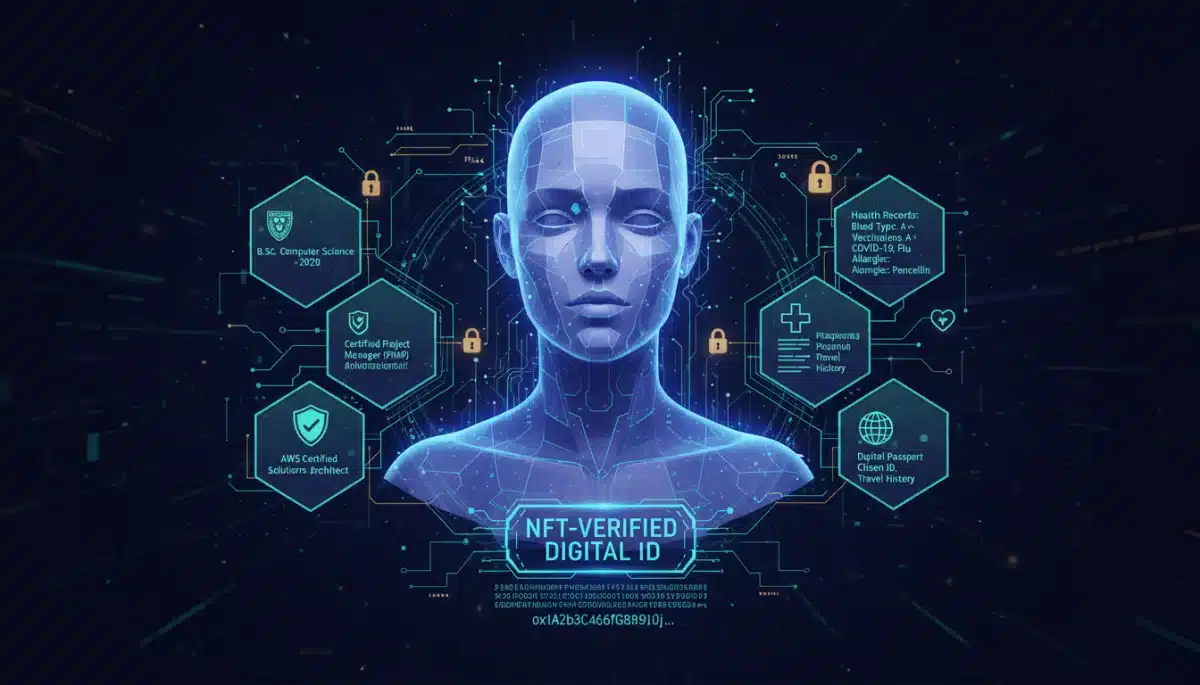
While gaming has been an early adopter of NFTs, the trend is evolving beyond simple cosmetic items. We’re now seeing NFTs enabling true ownership of in-game assets, characters, and even virtual land, creating entirely new economies within digital worlds. This empowers players and fosters a more equitable gaming ecosystem.
Traditionally, players spend countless hours and often real money acquiring items within games, only for those assets to remain locked within the game’s ecosystem, controlled by the game developer. NFT integration changes this by allowing players to truly own, trade, and even sell their digital possessions across different platforms or even for real-world value.
Player-Owned Economies
NFTs are transforming the relationship between players and game developers, creating player-centric economies.
- Cross-Game Compatibility: Certain NFTs might be usable across multiple games, increasing their utility and value.
- Play-to-Earn Models: Players can earn valuable NFTs by playing, which can then be sold for cryptocurrency or fiat.
- Community Governance: NFT holders might gain voting rights in the development or direction of a game.
This trend signifies a major shift towards decentralized gaming, where players are no longer just consumers but active participants and owners in the virtual worlds they inhabit. The economic implications for both players and developers are substantial.
Event Ticketing and Fan Engagement
The event ticketing industry has long grappled with issues like counterfeiting, scalping, and lack of transparency. NFTs offer a compelling solution, providing verifiable, secure, and unique digital tickets that revolutionize how events are managed and how fans engage with their favorite artists or teams.
By issuing tickets as NFTs, event organizers can ensure authenticity, track ownership, and even implement royalty structures for resales. This not only combats fraud but also opens up new avenues for fan engagement, creating unique experiences tied to the digital ticket itself.
Revolutionizing the Fan Experience
NFT tickets provide more than just entry; they can unlock exclusive content and enhance fan loyalty.
- Fraud Prevention: Each NFT ticket is unique and verifiable on the blockchain, eliminating counterfeits.
- Dynamic Pricing & Royalties: Organizers can set rules for resales, ensuring fair prices and potentially earning royalties on secondary market transactions.
- Exclusive Access: NFT tickets can grant holders access to special content, merchandise, or even future event discounts.
This innovative use of NFTs is transforming the ticketing landscape, offering a more secure, transparent, and engaging experience for both event organizers and attendees. It’s about building deeper connections with fan bases through verifiable digital assets.
Healthcare Records and Data Management
The healthcare industry faces immense challenges in managing patient data securely, privately, and efficiently. Fragmented systems, privacy concerns, and the difficulty of sharing records across providers are persistent issues. NFTs are emerging as a potential solution, offering a way to tokenize and secure individual health records.
Imagine a patient having complete ownership and control over their medical history, stored as an NFT on a blockchain. They could grant temporary access to doctors or specialists, revoke it at will, and have an immutable record of all interactions. This empowers patients and streamlines healthcare processes.
Patient-Centric Health Data
NFTs can enable a more secure and patient-centric approach to health information management.
- Enhanced Privacy: Patients control who accesses their records, improving data privacy and security.
- Interoperability: Standardized NFT formats could allow seamless sharing of medical data across different healthcare providers.
- Research Opportunities: With patient consent, anonymized NFT data could be used for medical research, accelerating discoveries.
This application of NFTs has the potential to revolutionize healthcare data management, moving towards a system that is more secure, transparent, and puts the patient firmly in control of their most sensitive information.
Intellectual Property Rights and Licensing
Protecting intellectual property (IP) and managing licensing agreements can be a complex and often litigious process. NFTs offer a novel approach to proving ownership, tracking usage, and streamlining licensing for various forms of digital and even physical IP.
From music and literature to patents and designs, NFTs can serve as verifiable certificates of ownership and can embed specific licensing terms directly into the token. This creates a transparent and enforceable system for creators to manage their rights and monetize their work.
Securing Creative Works with NFTs
NFTs provide robust tools for creators to protect and manage their intellectual property.
- Immutable Proof of Ownership: A timestamped NFT on the blockchain serves as undeniable proof of creation and ownership.
- Automated Royalties: Smart contracts embedded in NFTs can automatically distribute royalties to creators whenever their work is used or resold.
- Simplified Licensing: Licensing terms can be codified within the NFT, making it easier for users to understand and comply with usage rights.
By leveraging NFTs, creators gain greater control over their intellectual property, fostering a more equitable and efficient ecosystem for innovation and artistic expression. This trend is empowering a new generation of creators and innovators.
| Trend | Brief Description |
|---|---|
| Digital Identities | NFTs secure personal data, credentials, and academic records on the blockchain. |
| Real Estate Tokenization | Fractional ownership of properties via NFTs, increasing liquidity and accessibility. |
| Supply Chain Management | Tracking product provenance and ensuring authenticity with immutable NFT records. |
| Gaming Assets | True ownership of in-game items, characters, and virtual land for players. |
Frequently Asked Questions About NFTs Beyond Art
NFTs beyond art refer to the application of Non-Fungible Tokens to represent ownership or proof of existence for assets and data outside of traditional digital art, such as real estate, identities, legal documents, or supply chain items.
NFTs secure digital identities by acting as verifiable, tamper-proof certificates for personal data like degrees or certifications. This gives individuals complete control over their information, enhancing privacy and reducing the risk of fraud or unauthorized access.
Yes, NFTs can represent fractional ownership of physical real estate, making property investment more accessible and liquid. This tokenization process streamlines transactions, reduces legal complexities, and creates a transparent record of ownership on the blockchain.
In supply chains, NFTs provide immutable records of a product’s journey from origin to consumer. This ensures authenticity, combats counterfeiting, and allows for precise tracking, enhancing transparency and trust for both businesses and end-users.
Absolutely. NFTs are revolutionizing gaming by enabling true player ownership of in-game assets, characters, and virtual land. This fosters player-driven economies, allows for play-to-earn models, and can even grant players governance rights within game development.
Conclusion
The journey of NFTs from niche digital art collectibles to transformative tools across diverse industries is a testament to their inherent versatility and disruptive potential. The trends highlighted—from securing digital identities and fractionalizing real estate to revolutionizing supply chains and empowering gamers—underscore a fundamental shift in how we conceive of ownership, verification, and interaction in the digital realm. As technology continues to evolve, the applications of NFTs beyond art are only just beginning to scratch the surface, promising a future where digital assets play an even more integral role in our everyday lives and economic structures.