Gaming Skills to $1,000/Month: Turn Your Hobby into Cash by 2026
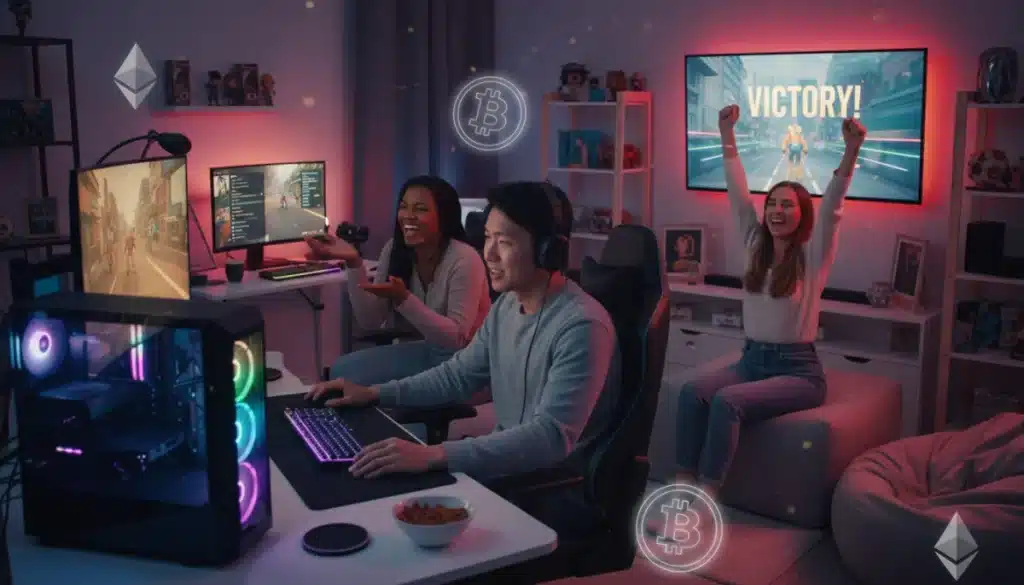
Turning your gaming hobby into a steady income of $1,000 per month by 2026 is achievable through strategic monetization and dedication.
Are you spending countless hours perfecting your strategies in your favorite video games? What if those hours could translate into a consistent income? The dream of transforming a beloved pastime into a lucrative career is more attainable than ever, and by 2026, many gamers are projected to be earning significant income. Let’s explore how you can take your gaming skills cash flow to $1,000 per month by turning your passion into a powerful financial asset.
Understanding the Gaming Economy: A Growing Landscape
The gaming industry has evolved far beyond simple entertainment; it’s a massive, multi-billion dollar economy offering numerous avenues for monetization. From competitive esports to content creation and coaching, the opportunities are expanding rapidly, making it an exciting time for skilled players to capitalize on their talents.
This dynamic growth is fueled by increasing global internet penetration, advanced gaming technology, and a dedicated fanbase eager for engaging content and high-level competition. Understanding the various sectors within this economy is the first step toward identifying your niche and developing a viable income stream. It’s no longer just about playing; it’s about strategizing how your playtime can become pay time.
The Rise of Esports and Professional Gaming
Esports, or electronic sports, has transformed competitive gaming into a spectator sport with professional leagues, massive prize pools, and dedicated fanbases. Players compete individually or in teams, showcasing their skills in popular titles like League of Legends, Dota 2, Valorant, and Counter-Strike. Becoming a professional esports player requires immense dedication, talent, and strategic thinking.
- Intense Training: Hours spent practicing game mechanics, team coordination, and strategic analysis.
- Team Play: Often involves joining or forming a team to compete in tournaments and leagues.
- Mental Fortitude: The ability to perform under pressure and recover from losses is crucial.
- Networking: Connecting with other players, coaches, and organizations can open doors to opportunities.
While the path to becoming a top-tier esports pro is challenging, the rewards can be substantial, with top players earning six or even seven-figure incomes through salaries, prize money, and sponsorships. However, even at a lower competitive level, there are opportunities to earn through smaller tournaments and community events.
Content Creation: Streaming and YouTube
For many, the most accessible entry point into monetizing gaming skills is through content creation. Platforms like Twitch, YouTube, and Facebook Gaming allow players to broadcast their gameplay, share insights, and build communities. This path requires not only gaming prowess but also entertainment value, consistent engagement, and a strong personal brand.
Streaming involves live broadcasts where viewers can interact with the streamer, often donating or subscribing to support their favorite creators. YouTube, on the other hand, focuses on pre-recorded, edited videos, offering a different dynamic for audience engagement. Both platforms provide advertising revenue, sponsorships, and direct audience support as income sources. Building a loyal audience takes time and effort, but the potential for consistent monthly income is significant.
In conclusion, the gaming economy is a vibrant and expanding ecosystem. Whether through competitive play or engaging content creation, there are tangible pathways to earning money from your gaming skills. The key lies in identifying your strengths, understanding the market, and committing to the hard work required to succeed in this exciting digital frontier.
Strategies for Monetization: Beyond Just Playing
Earning $1,000 a month from gaming requires a multifaceted approach, extending beyond merely playing games. It involves strategic planning, consistent effort, and leveraging various platforms and opportunities. A combination of income streams often proves to be the most stable and effective way to reach your financial goals within the gaming world.
Think of yourself as an entrepreneur in the gaming space. This means understanding your product (your gaming skills and personality), your audience, and the different channels available to reach them. Diversification is key to building a sustainable income, as relying on a single source can be precarious in a rapidly changing digital landscape.
Live Streaming on Twitch and YouTube Gaming
Live streaming is one of the most popular and direct ways to monetize gaming skills. Platforms like Twitch and YouTube Gaming allow you to broadcast your gameplay to an audience, who can then support you through various mechanisms. Building a successful stream requires more than just good gameplay; it demands an engaging personality, consistent schedule, and interaction with your chat.
- Subscriptions: Viewers pay a monthly fee for exclusive emotes, badges, and ad-free viewing.
- Donations/Tips: Direct financial contributions from viewers who enjoy your content.
- Ad Revenue: Income generated from ads played during your streams.
- Sponsorships and Brand Deals: Collaborating with companies to promote their products or services.
Consistency is paramount. Regular streaming hours help build a routine for your audience, while engaging with chat creates a sense of community. The more you interact and entertain, the more likely viewers are to return and support your channel.
Creating Engaging YouTube Content
YouTube offers a different, yet equally powerful, avenue for monetization. Instead of live broadcasts, YouTube focuses on pre-recorded, edited videos. This allows for higher production quality, more structured content, and the ability to reach a broader audience through search and recommendations. Content can range from gameplay highlights and tutorials to reviews, analyses, and gaming-related vlogs.
Successful YouTube channels often focus on a specific niche or game, allowing them to attract a dedicated audience. High-quality editing, clear audio, and compelling storytelling are crucial for standing out. Income sources include ad revenue, sponsorships, merchandise sales, and affiliate marketing. Building a strong content library that continues to attract views over time can create a passive income stream, complementing live streaming efforts.
In summary, monetizing your gaming skills effectively requires a strategic blend of content creation, community engagement, and smart business practices. By diversifying your income streams across platforms like Twitch and YouTube, you can build a robust financial foundation and work towards your $1,000 monthly goal.
Esports and Competitive Gaming: The Path to Pro
For those with exceptional skill and a competitive drive, esports presents a direct route to earning significant income. This isn’t just about playing; it’s about mastering a game to a professional level, competing in organized tournaments, and potentially joining professional teams. The journey is demanding but can be incredibly rewarding, both financially and personally.
The landscape of esports is highly competitive, requiring not only raw talent but also strategic intelligence, quick reflexes, and the ability to work effectively under pressure. It’s a career path that mirrors traditional sports in its intensity and dedication, offering a unique blend of digital prowess and athletic mindset.
Joining Professional Esports Teams
The pinnacle of competitive gaming is often joining a professional esports team. These teams offer salaries, benefits, and the opportunity to compete in major tournaments with substantial prize pools. Getting noticed by a professional organization typically involves consistently performing at a high level in online ladders, community tournaments, and smaller regional events.
- High-Level Play: Consistently achieving top ranks in competitive game modes.
- Teamwork and Communication: Demonstrating strong synergy and effective communication with teammates.
- Visibility: Streaming your gameplay or participating in public tournaments to get noticed by scouts.
- Agent Representation: Some players secure agents to help negotiate contracts and find opportunities.
The path is arduous, with thousands of aspiring pros for every spot on a top team. However, even lower-tier professional play can offer a decent living, especially when combined with streaming or content creation.
Participating in Tournaments and Leagues
Beyond professional teams, countless tournaments and leagues exist at various levels of competition, offering prize money for top finishers. These can range from small, local events to massive international competitions. Participating in these events is an excellent way to test your skills, gain experience, and potentially earn cash prizes.
Many games have robust in-game tournament systems or third-party platforms that host regular competitions. Success in these often depends on consistent practice, understanding game meta, and adapting to different opponents. Even if you don’t win the grand prize, consistent top finishes in smaller tournaments can add up, contributing significantly to your monthly income goal.
In conclusion, the esports arena offers a direct, albeit challenging, route to monetizing elite gaming skills. Whether aiming for a professional team or consistently competing in tournaments, dedication, strategic play, and continuous improvement are essential for success in this high-stakes environment.
Alternative Income Streams: Coaching, Boosting, and More
While streaming and professional play are prominent, the gaming world offers several other viable income streams that leverage your skills. These alternative methods can complement your main efforts or serve as primary sources of income, providing flexibility and additional ways to reach your $1,000 monthly target.
These options often require a deep understanding of game mechanics, excellent communication skills, or a service-oriented mindset. They cater to a different segment of the gaming community – those looking to improve, save time, or acquire specific in-game advantages.
Gaming Coaching and Tutoring
If you excel at a particular game and have strong communication skills, offering coaching or tutoring services can be a highly effective way to monetize your expertise. Many aspiring gamers are willing to pay for personalized guidance to improve their gameplay, understand complex strategies, or climb competitive ranks.
Platforms exist where you can offer your services, or you can market yourself directly through social media and gaming communities. Creating a curriculum, providing VOD (video on demand) reviews, and offering live coaching sessions are common approaches. Successful coaches often have a proven track record of high-level play themselves, lending credibility to their instruction.
Account Boosting and In-Game Services
Account boosting involves playing on another person’s account to increase their rank or achieve specific in-game milestones. Similarly, offering services like farming rare items, completing difficult quests, or power-leveling characters can be lucrative. These services cater to players who lack the time or skill to achieve these goals themselves.
While often controversial within certain gaming communities due to perceived unfairness, a market undoubtedly exists for these services. It’s crucial to understand the terms of service for each game, as some explicitly forbid account sharing or boosting. If pursued, discretion and reliability are key to building a client base.
Selling In-Game Items and Currencies
Many online games feature vibrant in-game economies where players can acquire and trade virtual items, skins, or currencies. If you have a knack for efficient farming, trading, or identifying valuable assets, you can turn this into a profitable venture. This often involves spending time playing the game to acquire desirable items and then selling them to other players for real money through third-party marketplaces.
Understanding market demand, scarcity, and pricing strategies is crucial for success in this area. While some games prohibit real-money trading, many allow it or have official marketplaces that facilitate such transactions. Always research the specific game’s policies to avoid account penalties.
In conclusion, the gaming landscape offers a diverse array of income opportunities beyond the spotlight of streaming or professional esports. Coaching, boosting, and trading in-game assets provide flexible and potentially lucrative ways to leverage your gaming skills and contribute to your monthly financial goals.
Building Your Brand and Audience: The Key to Sustained Success
Regardless of the monetization path you choose, building a strong personal brand and a loyal audience is fundamental to achieving and sustaining a $1,000 monthly income from gaming. Your brand is what differentiates you from other gamers, and your audience is the engine that drives your revenue. This involves consistent effort in content creation, community engagement, and self-promotion.
Think of your brand as your unique identity in the vast gaming universe. It’s not just about what you play, but how you play, how you interact, and what value you bring to your viewers or clients. A well-defined brand resonates with people and fosters a sense of connection, which is vital for long-term growth.
Developing a Unique Personal Brand
Your personal brand is your identity as a gamer and content creator. It encompasses your personality, your content style, the games you play, and your overall message. A strong brand helps you stand out in a crowded market and attracts an audience that resonates with what you offer.
- Niche Identification: Focus on specific games, genres, or content types where you can excel and find a dedicated audience.
- Consistent Persona: Maintain a consistent personality and tone across all your platforms.
- High-Quality Content: Invest in good equipment (microphone, camera) and learn basic editing skills.
- Professional Presentation: Use consistent branding elements like logos, overlays, and channel art.
Authenticity is key. Audiences connect with genuine personalities, so let your true self shine through while maintaining a professional demeanor.
Engaging with Your Community
An engaged community is the backbone of any successful gaming monetization strategy. Whether you’re streaming, making videos, or coaching, interacting with your audience builds loyalty and encourages support. This goes beyond just replying to comments; it involves creating a welcoming environment where viewers feel valued.
Regularly interact with chat during live streams, respond to comments on YouTube, and engage with followers on social media. Consider hosting community game nights, Q&A sessions, or exclusive content for subscribers. The more you invest in your community, the more they will invest in you, both emotionally and financially.
Marketing and Promotion
Even the best content won’t find an audience if it’s not promoted effectively. Utilize various social media platforms (Twitter, Instagram, TikTok, Discord) to share your content, announce streams, and interact with potential viewers. Cross-promotion between platforms is also crucial; for example, sharing Twitch highlights on YouTube or TikTok.
Networking with other content creators can also lead to collaborations and exposure to new audiences. Participate in relevant online communities and forums, but always be genuine and avoid spamming. Strategic marketing is about reaching the right people with the right message at the right time.
In conclusion, building a strong personal brand and fostering an engaged community are indispensable for sustained success in monetizing gaming skills. By consistently delivering quality content, interacting authentically, and promoting strategically, you can cultivate a loyal following that supports your journey towards a $1,000 monthly income.
Tools and Resources for Aspiring Gaming Entrepreneurs
Embarking on the journey to monetize your gaming skills requires more than just talent; it demands the right tools and resources. From streaming software to audience analytics, having the proper setup can significantly enhance your content quality, improve your workflow, and help you understand your audience better. Investing wisely in these areas can accelerate your progress towards your financial goals.
The digital landscape offers a plethora of free and paid tools that can streamline your content creation process, manage your community, and analyze your performance. Understanding which tools are essential for your chosen path is a critical step in building a successful gaming enterprise.
Essential Streaming Software and Hardware
For streamers and content creators, having reliable software and hardware is non-negotiable. Quality audio and video are paramount for engaging an audience. Investing in good equipment upfront can save you headaches and provide a professional edge.
- Streaming Software: OBS Studio (free) or Streamlabs OBS (freemium) are industry standards for broadcasting.
- Microphone: A good quality USB microphone (e.g., Blue Yeti, HyperX QuadCast) significantly improves audio clarity.
- Webcam: A 1080p webcam (e.g., Logitech C920, Razer Kiyo) provides clear video.
- Gaming PC: A powerful PC capable of running games smoothly while simultaneously streaming or recording.
- Internet Connection: A stable, high-speed internet connection with good upload speeds is crucial for live streaming.
While high-end gear can be expensive, many affordable options offer excellent performance for beginners. Prioritize good audio first, as viewers are often more forgiving of less-than-perfect video than poor sound.
Analytics and Audience Engagement Tools
Understanding your audience and how your content performs is vital for growth. Analytics tools provide insights into viewership, engagement, and demographic data, allowing you to tailor your content more effectively. Engagement tools help foster community and reward loyal viewers.
Platforms like Twitch and YouTube offer built-in analytics dashboards. Third-party tools like StreamElements or Nightbot provide additional features for chat moderation, alerts, and loyalty programs. Discord is an essential community hub, allowing for direct interaction with your fanbase outside of streams or videos. Utilizing these tools helps you understand what works, what doesn’t, and how to optimize your strategy for maximum impact.
Learning Resources and Communities
The gaming industry is constantly evolving, so continuous learning is essential. Numerous online resources, tutorials, and communities can help you hone your skills, learn new strategies, and stay updated on industry trends. Websites like YouTube, Reddit, and various online forums are rich sources of information.
Engaging with other aspiring and established gaming entrepreneurs can provide valuable mentorship, networking opportunities, and insights. Learning from others’ successes and failures can significantly shorten your learning curve and help you avoid common pitfalls. Never stop learning and adapting to the ever-changing demands of the digital content space.
In conclusion, equipping yourself with the right tools and continuously seeking knowledge are pivotal for any aspiring gaming entrepreneur. From essential streaming gear to powerful analytics and supportive communities, these resources empower you to create high-quality content, engage effectively with your audience, and ultimately achieve your $1,000 monthly income goal by 2026.
Setting Realistic Goals and Sustaining Growth
Achieving a consistent $1,000 per month from gaming by 2026 is an ambitious yet attainable goal. However, it requires a realistic approach, meticulous planning, and unwavering dedication. It’s crucial to set measurable milestones, understand the time commitment involved, and implement strategies for long-term sustainability rather than just short-term gains.
The journey to monetizing gaming skills is rarely a sprint; it’s a marathon that demands patience, adaptability, and resilience. By approaching it with a clear roadmap and a commitment to continuous improvement, you can navigate the challenges and build a thriving gaming enterprise.
Setting Measurable Milestones
Breaking down your $1,000 monthly goal into smaller, measurable milestones makes the journey less daunting and provides clear targets for progress. Instead of just aiming for a lump sum, consider specific achievements that contribute to that goal.
- Audience Growth: Aim for a certain number of followers or subscribers each month.
- Content Output: Set targets for the number of streams or videos you’ll produce weekly.
- Engagement Metrics: Monitor average viewership, chat participation, or video watch time.
- Revenue Diversification: Explore adding a new income stream (e.g., starting coaching, launching merchandise) once established in another.
Regularly review your progress against these milestones and adjust your strategy as needed. Celebrate small victories to maintain motivation and learn from setbacks to refine your approach.
Time Management and Consistency
Monetizing gaming skills, especially through content creation, is effectively running a small business. This demands significant time commitment and consistent effort. Establishing a schedule and sticking to it is critical for building an audience and maintaining momentum.
Allocate dedicated time for playing, streaming, video editing, community engagement, and administrative tasks. Treat your gaming endeavors with the same professionalism as any other job. Consistency in your content schedule, quality, and engagement helps build trust and reliability with your audience, which is crucial for long-term growth and income stability.
Adapting to Industry Changes
The gaming industry is incredibly dynamic, with new games, platforms, and monetization strategies emerging constantly. To sustain growth and income, you must be willing to adapt and evolve. This means staying informed about industry trends, experimenting with new content formats, and being open to learning new skills.
What works today might not work tomorrow, so flexibility is key. Be prepared to pivot your content, explore new games, or adjust your monetization strategy based on audience feedback and market shifts. Continuous learning and a proactive approach to change will ensure your gaming career remains relevant and profitable. The ability to innovate and stay ahead of the curve is a hallmark of successful gaming entrepreneurs.
In conclusion, achieving $1,000 per month from gaming by 2026 requires a strategic mindset, focusing on measurable goals, consistent effort, and a willingness to adapt. By treating your gaming passion as a serious endeavor and continuously refining your approach, you can build a sustainable and rewarding career in the gaming industry.
The Future of Gaming Monetization: What to Expect by 2026
As we look towards 2026, the landscape of gaming monetization is set to continue its rapid evolution, presenting new opportunities and challenges for aspiring gaming entrepreneurs. Staying ahead of these trends will be crucial for anyone aiming to solidify their income streams and reach their financial goals. Emerging technologies and shifting consumer behaviors are shaping what the future holds for turning gaming skills into cash.
The integration of advanced technologies like virtual reality (VR), augmented reality (AR), and blockchain is expected to open up entirely new avenues for interaction and commerce within games. Furthermore, the increasing professionalization of esports and the growing sophistication of content creation platforms will offer more structured and lucrative pathways for skilled players.
Emerging Technologies: VR, AR, and Blockchain Gaming
The rise of virtual and augmented reality promises to create more immersive gaming experiences, which in turn could lead to new forms of content creation and competitive play. Imagine streaming or competing in fully immersive VR esports, or utilizing AR to enhance real-world gaming events.
- VR Content Creation: Opportunities for streamers and content creators to produce unique VR gameplay experiences.
- AR Enhanced Events: Live AR overlays for esports events, offering new spectator experiences.
- Blockchain and NFTs: Play-to-earn models, ownership of in-game assets as NFTs, and decentralized gaming economies.
- Metaverse Integration: Gaming within interconnected virtual worlds, creating new platforms for interaction and monetization.
These technologies are still in nascent stages for widespread adoption but are rapidly developing. Early adopters who understand how to leverage these platforms could gain a significant advantage by 2026.
Increased Professionalization and Mainstream Acceptance
Esports is increasingly gaining mainstream recognition, with major brands, media outlets, and educational institutions investing heavily in the scene. This professionalization will likely lead to more structured career paths, better player protections, and more lucrative opportunities for top-tier talent.
Content creation, too, is becoming more professionalized, with higher production values and more sophisticated business models. As gaming continues to shed its niche image, the pathways to earning a living from it will become clearer and more accessible, attracting a broader range of talent and investment.
The Creator Economy and Direct Fan Support
The broader creator economy is empowering individuals to monetize their skills and passions directly from their audience, bypassing traditional intermediaries. This trend is particularly strong in gaming, where platforms are continually enhancing tools for direct fan support.
By 2026, expect even more sophisticated subscription models, tiered membership programs, and innovative ways for fans to directly contribute to their favorite creators. This shift emphasizes the importance of building a strong, engaged community, as direct fan support will likely become an even more significant component of a gamer’s income.
In conclusion, the future of gaming monetization by 2026 is bright and full of potential. With the advent of new technologies, increased professionalization, and a robust creator economy, opportunities for skilled gamers to earn a substantial income will continue to expand. Staying informed and adaptable will be key to harnessing these trends for sustained financial success.
| Key Monetization Path | Brief Description |
|---|---|
| Live Streaming | Engage viewers on platforms like Twitch/YouTube for subs, donations, and ads. |
| Esports Competition | Compete in tournaments/leagues for prize money and team salaries. |
| Gaming Coaching | Offer personalized instruction to help other players improve their skills. |
| Content Creation | Produce engaging videos for YouTube, leveraging ads, sponsorships, and merchandise. |
Frequently Asked Questions About Gaming Monetization
The timeline varies greatly depending on your skill, dedication, and chosen monetization path. While some may see quick success, for most, it’s a gradual process taking several months to a few years to build a consistent income of $1,000 per month. Consistency and strategic effort are key.
Not necessarily. While high-end equipment can enhance quality, you can start with basic gear like a good microphone and a decent webcam. Focus on providing engaging content and improving incrementally. Many successful streamers and content creators began with modest setups and upgraded as they grew.
Key challenges include fierce competition, maintaining consistency, building an audience, managing time effectively, and adapting to industry changes. Burnout is also a significant concern, requiring a healthy work-life balance. Overcoming these requires resilience, strategic planning, and continuous learning.
Esports can be highly lucrative for top players, but it’s also extremely competitive and not a reliable path for most. A small percentage of players earn significant income. Combining competitive play with streaming or coaching can provide a more stable income while pursuing professional aspirations.
Community engagement is absolutely crucial. A loyal and engaged audience is more likely to subscribe, donate, and support your content, forming the backbone of your income. Interacting with viewers, building a welcoming environment, and fostering a sense of belonging are vital for long-term success.
Conclusion
The journey from a casual gaming hobby to a consistent $1,000 per month income by 2026 is an exciting and increasingly viable prospect. It demands more than just exceptional gaming skills; it requires a strategic mindset, consistent effort, and a willingness to adapt to the dynamic landscape of the gaming industry. By exploring diverse monetization avenues such as live streaming, content creation, esports, coaching, and in-game services, you can build a multi-faceted income stream. Cultivating a strong personal brand, engaging authentically with your community, and continuously leveraging the right tools and resources are pivotal for sustained growth. As the gaming economy continues to expand and evolve, those who are proactive and dedicated will be well-positioned to transform their passion into a powerful financial asset, proving that playing games can indeed be a rewarding career.